

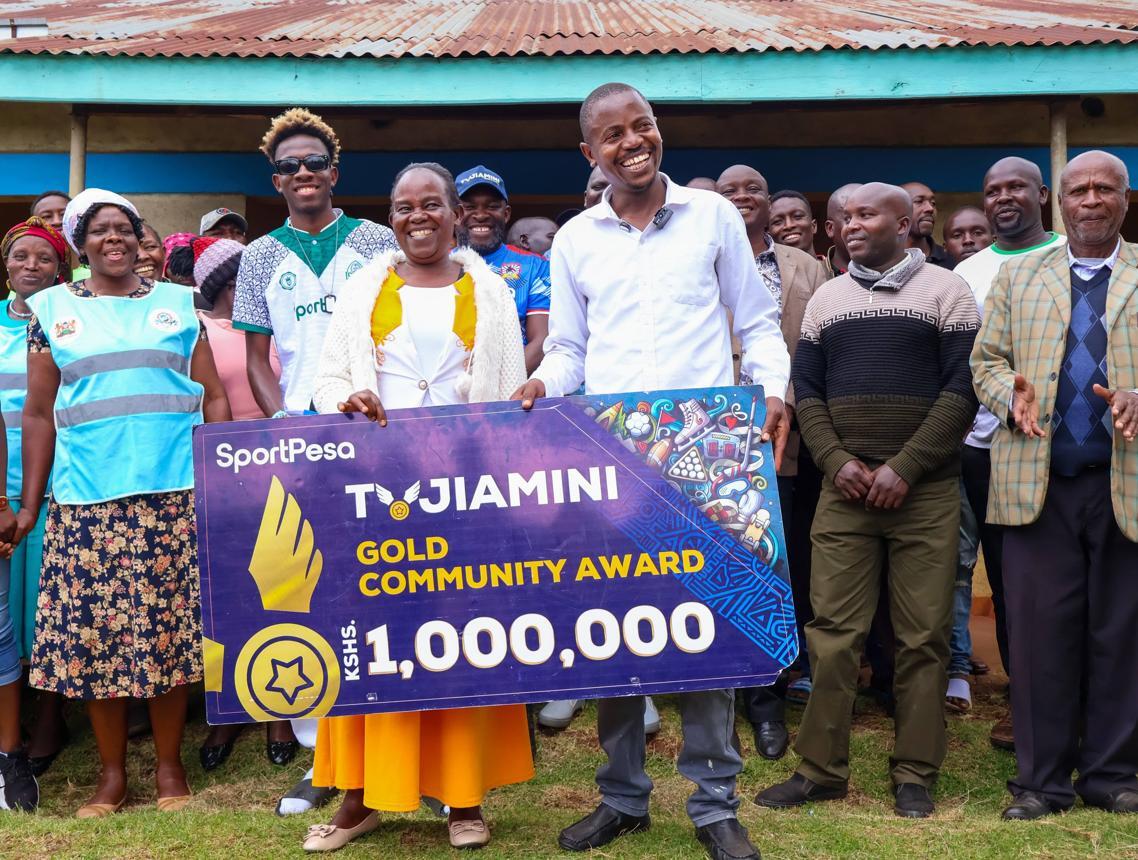
Community sponsorship is support given to a project, team, group or initiative that serves more than one person. It can support sport, health, youth development, creativity, education, facilities, livelihoods or local problem-solving.
At Tujiamini, we look at community sponsorship through one simple question. Will this support create visible progress for a wider group of people?
Community sponsorship is support given to an initiative that benefits a group, neighborhood, club, team or local cause. The support can come through products, services, equipment, funding, training, media exposure or a structured award package.
The key difference is impact. A community sponsorship request should show who benefits beyond the applicant.
A strong community request does not only say, “we need support.” It explains the problem, the people affected and what will change.
Many local projects already have people doing the work. What they often lack is equipment, facilities, training resources, visibility or enough support to scale.
Community sponsorship helps turn effort into progress. It can improve access, create safer spaces, strengthen teams or support people who are often overlooked.
For us at Tujiamini, community value matters because support should leave something useful behind. A good application should make that value easy to see.
Community sponsorship can support different needs depending on the project. Some groups need physical resources, while others need tools, services, exposure or training support.
The best request is specific. It should explain the support needed and why that support matters now.
Community sport projects may need balls, kits, boots, coaching equipment, training space or facility support. These needs are common in grassroots football, boxing, volleyball, rugby, athletics and other sports.
A strong sports-based community request should show who uses the support. It should also explain how many people benefit.
Some projects need support for spaces where people train, meet, learn or access services. This may include courts, halls, training grounds, health spaces or safe activity areas.
Facility-based requests should show long-term value. A sponsor should understand how the space will serve the community after support is given.
Youth projects may need mentorship tools, sports gear, creative resources, training support or structured programs. These projects are stronger when they show consistency.
A good youth-focused application should explain how young people are involved. It should also show what skills or opportunities they gain.
Community sponsorship can support livelihoods, agribusiness, education, health, welfare or inclusion work. These projects often solve daily problems affecting families or vulnerable groups.
A strong application should show the people served. It should also explain how the support will improve their lives.
Real examples help applicants understand what strong community impact looks like. Our stories show that community sponsorship can support sport, facilities, livelihoods and social change.
Jacob Omulo of Nyorwa CBO in Homa Bay was recognized for work empowering persons with disabilities and widowed women through agribusiness and livelihood support programmes. That story shows how community sponsorship can support people who are building practical solutions for others.
The Highrise Volleyball Court project in Nairobi shows another kind of community impact. Emmanuel Kipkemoi Yegon received Gold Category support to help develop a safer volleyball facility for young people in Highrise Estate.
Kipkoech Ruto’s Bomet story shows how community support can reach health needs. His Gold recognition was linked to establishing a maternity wing to improve safe delivery services for mothers in his community.
A strong community sponsorship request is clear, grounded and easy to review. It should explain the need without making the reviewer guess.
The best applications show proof. They also show why the support will benefit more than one person.
Start with the problem. Explain what is missing, who is affected and why the issue matters.
Do not write a general statement about needing help. Be precise about the gap you want to solve.
Community sponsorship should show who benefits. This may be a team, youth group, women’s group, artists, athletes, learners or families.
The wider value should be clear. If the support helps 50 young people train safely, say that directly.
Sponsors want to see that the project already has life. Use photos, videos, testimonials, records, attendance lists, media mentions or community letters.
Proof shows seriousness. It also helps reviewers trust that the support will be used well.
Say exactly what you need. This may be equipment, materials, services, facility support, training resources, transport or media exposure.
The clearer the request, the easier it becomes to match it to the right category. Vague applications are harder to support.
Personal sponsorship often supports one person’s journey. Community sponsorship should show benefit beyond one individual.
That does not mean one person cannot lead the project. It means the support should create value for a wider group.
At Tujiamini, this distinction matters. A community project should explain the shared impact clearly.
At Tujiamini, we offer different award categories because support needs are not the same. A community project, a sports team and an individual talent may need different routes.
For community sponsorship, category fit matters. The applicant should choose the route that matches the scale and purpose of the request.
Our Gold Community Project Awards are the strongest fit for larger community-focused needs. This category suits projects that can show broader impact.
A strong Gold application should explain the project, beneficiaries and expected change. It should also show why the support matters now.
Our Silver Awards may suit applicants who need meaningful products or services. This can include teams, groups or individuals with a focused support need.
A Silver request should still show impact. The application should explain how the support creates progress.
Our Bronze Awards can support smaller, direct needs. This category may fit applicants with a specific support gap.
A small request should not be weak. It should still show proof, purpose and a clear need.
Our Cheza Dimba Awards are linked to grassroots football teams. This can fit community football teams that meet the competition requirements.
Teams should check the rules before applying. Region, league level and timing matter in this category.
A community sponsorship application should feel practical. It should show what you do, who benefits and what support will change.
Do not bury the main request deep in the story. Make the need easy to find and understand.
Start with the name of the project and what it does. Explain where it operates and who it serves.
Keep this section short. The reviewer should understand the project quickly.
State the exact support needed. Avoid writing only that you need sponsorship.
Say whether you need equipment, services, materials, facility support, training resources or exposure. Specific requests are easier to review.
Attach proof that the project is active. Use photos, videos, community letters, records, results, media links or testimonials.
Proof helps your story stand up. It also shows that support will go toward real work.
Explain what will change after support is given. Will more young people train safely, will a facility improve, or will a group gain better tools?
Impact should be realistic. Do not promise what you cannot deliver.
Good projects can lose attention when the application is unclear. The issue is often presentation, not the value of the work.
Before applying, check whether your request is specific, supported and category-ready. A reviewer should not struggle to understand the need.
A community project should show shared benefit. If the request only sounds personal, it may not fit community sponsorship.
Explain who else benefits. Show the group, location or community outcome.
A strong story needs proof. Photos, videos, letters, records and testimonials make the request more believable.
Do not assume the reviewer understands your work. Show it clearly.
Some applicants ask for cash when equipment or services would solve the problem better. Others ask for visibility when the urgent need is tools.
Start with the problem. Then ask for the support that solves it directly.
Rules help applicants choose correctly. They also help us review applications fairly.
Before submitting, read our Tujiamini sponsorship rules. This helps you avoid category, residency or document mistakes.
To apply through Tujiamini, first decide whether your project is community-focused, team-focused or individual. Then choose the award category that best fits the need.
Prepare your proof before you start. This should include the project story, photos, videos, community details and the support required.
Use the official Tujiamini application page when your details are ready. Submit accurate information and explain the need clearly.
Apply under the Tujiamini category that best matches your community support need.
Read also: sponsorship opportunities in Kenya
Also read: sports sponsorship application tips
Community sponsorship is support given to a project, group, team or initiative that benefits a wider community. It can support sport, facilities, youth programs, social impact, creativity or local development.
An example is support for a local sports facility that benefits many young people. Another example is support for a community group running livelihood, education or inclusion work.
Eligible applicants may include community project leaders, teams, groups, organizations or individuals leading wider impact work. Applicants should check the rules before applying.
It should include the project profile, the need, beneficiaries, proof of work and expected impact. It should also explain how the support will be used.
No, community sponsorship is not always cash. It can include equipment, services, materials, facility support, training resources or media exposure.
Gold Community Project Awards may fit larger community-focused projects. Silver or Bronze may fit more focused support needs, depending on the request.
A sports team can apply if the opportunity and category fit the request. Teams should show activity, proof, beneficiaries and community value.
Start by identifying your support need and gathering proof. Then apply through the official Tujiamini application process under the right category.
Community sponsorship works best when the impact is clear. The application should show the problem, the people affected, the proof and the support needed.At Tujiamini, we want community-focused applicants to show real work and practical value. A strong request should explain how support will create progress beyond one person. If your project is ready, gather your proof and choose the right category. Then submit through the official Tujiamini application process with a clear and honest request.