

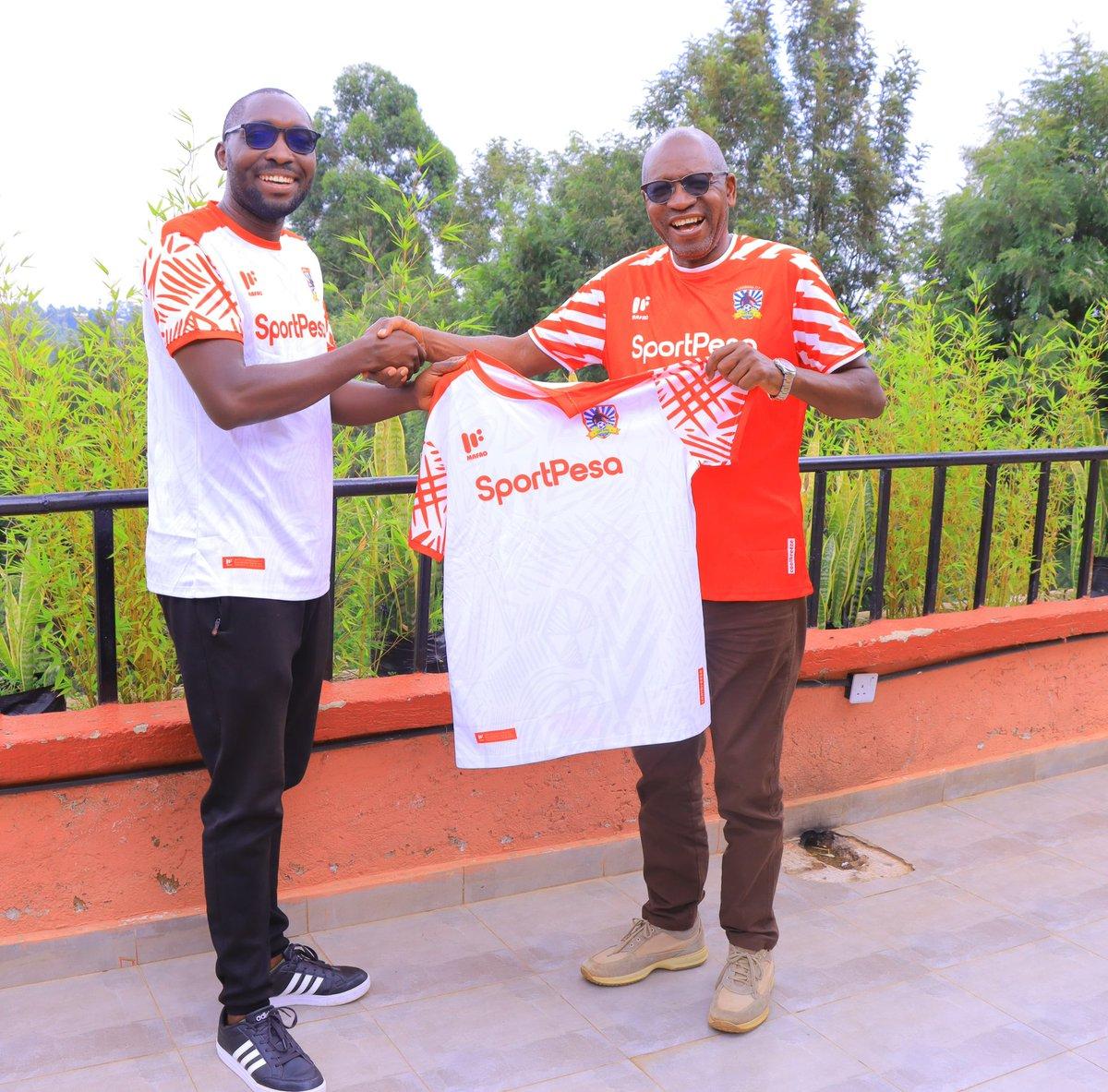
An event sponsorship agreement is a formal contract between a brand and an organiser. It spells out all the terms of a partnership. This includes benefits and deliverables for each partner. The clear definition of the relationship protects the sponsor and the event organiser.
Event sponsorship agreements are common in sports and youth initiatives in Kenya. Understanding sponsorship agreement formats ensures stronger partnerships for brands and event organisers. Read on for a template, key clauses, benefits and a legal guide from Tujiamini.
Explore effective sports sponsorship opportunities with Tujiamini.
This document establishes the relationship between a brand and an event organiser(s). Event sponsorship contracts are legally binding when they meet the requirements of a valid contract. They foster mutual benefits for both parties in the agreement.
ALSO READ: Sports sponsorship agreement: Application, requirements, and eligibility - Tujiamini
● Clearly spelling out sponsorship terms and conditions protects both parties.
● It prevents misunderstandings of sponsorship benefits, deliverables, and timelines.
● It sets the expectations for each party.
● Ensures accountability in meeting the terms of the sponsorship.
● It builds partnerships professionally, ensuring successful relationships.
Check out the Tujiamini sponsorship application requirements.
Here are some key elements of a sponsorship agreement.
Section that defines the sponsor and the sponsored individual(s). Sponsors are usually brands, organisations, or initiatives such as Tujiamini. Sponsored individuals include the event organisers or promoters.
This includes the event name and timeline. It also features the description of the event, including the participants.
This stage clearly outlines the financial or in-kind support provided by the sponsor. It includes the exact amount and payment schedule for money. The quantity of goods and services is also included. For instance, the Tujiamini Gold Community Project awards KES 1 million once.
These are the promotional opportunities that the organiser grants to the brand. They include exhibition space, branding opportunities and VIP passes. They are the obligations or deliverables of the event organiser.
This includes logo and brand placement, on-site benefits and media visibility. For instance, the Kenyan Premier League is called the SportPesa league. This is a corporate sponsorship agreement
A force majeure clause may address unavoidable circumstances that prevent an event from proceeding, including an unforeseen cancellation.
Exclusivity clauses ensure loyalty to the sponsor or brand. They prevent organisers from utilising certain products or services from other brands. For instance, Portuguese football player Cristiano Ronaldo wears Nike shoes. He cannot wear Adidas shoes.
This covers the limited use of logos, trade names or trademarks by each party in the agreement. IP rights also cover the usage of images, photos, likeness and content.
Covers the use and transmission of personal or proprietary information during the sponsorship. Private information such as attendee data or brand marketing strategies. The data is disclosed to those who need it to do their jobs, or when required by a court of law.
It spells the conditions that can lead either party to exit the agreement. These clauses should be balanced and allow for negotiation. Most event sponsorship agreements are tied to specific obligations for both parties.
These are ways to solve partnership disputes and disagreements. Disputes can be unmet deliverables or delayed payments. Resolution processes include negotiation, mediation or arbitration.
Sponsorship agreements are business contracts. The Law of Contract Act (Cap. 23) and the Trade Marks Act (Cap. 506) may apply. Other relevant laws include the Sports Act (No. 25 of 2013), applicable tax laws, the Consumer Protection Act (No. 46 of 2012) and the Gambling Act, 2025.
Apply for a Tujiamini sponsorship and make your dreams a reality.
Sponsorship benefits to organisers and sponsors include:
● Event organisers can build long-term business relationships through sponsorships.
● The community around the event benefits from better services and developmental initiatives.
● Funding sports entities such as teams and tournaments helps them provide better services.
● The youth get funds and equipment needed to further their talents.
● Organizers leverage brands for bigger scales or deeper audience reach.
● Excellent exposure from successful events increases return on investment (ROI).
● Event sponsorships boost brand visibility through media and audience exposure.
● They help brands connect with new and niche markets.
● Brands can gain a competitive advantage over absent competitors.
● Good interactions with prospective customers lead to increased brand loyalty.
ALSO READ: Role of Sports Branding and Sponsorship– Tujiamini
Here is a standard sponsorship agreement template you can use.
This is the first part. It states the sponsor and event organiser. It requires full legal names for individuals or companies. It also includes the start date of the agreement.
Here, state the name of the event, its timeline, and location. Include any other relevant descriptions.
It details the financial or in-kind support that the sponsor agrees to provide to the event. It also specifies the payment schedule and mode. The quantity and quality of goods and services are also included.
This details the benefits and promotional opportunities that the organiser gives the sponsor. It is divided into brand placement, media relations and on-site benefits.
Specifies the use of trademarks, logos, trade names, image, likeness and content.
States the agreement start and end date. Also includes the causes for termination. Terms for cancellation and postponement are here too.
Indemnity allocates responsibility for specified losses, claims or liabilities between the parties. This part may also include a force majeure clause addressing circumstances beyond the parties’ control.
States that the agreement is subject to the laws of the Republic of Kenya.
This section states that both parties completely understand the agreement. It also states the conditions for changes or modifications.
The last section features the organiser’s and sponsors’ signatures. It also includes legal names and dates.
● Do not include vague deliverables. The deliverables section should be measurable and specific.
● Unclear payment schedules are frustrating. The agreement should be clear and include consequences for late payment.
● Missing branding permissions hinder the execution of the agreement.
● Missing cancellation clauses are short-sighted.
● Missing dispute resolution methods can lead to more expenses and longer processes.
ALSO READ: Sports sponsorship tips in Kenya: what works, with real Tujiamini success
● The legality of contract templates means being governed by Kenyan laws
● Sponsorship agreements must be consented to by both parties. Agreements entered under duress may be challenged and set aside.
● Signatures provide evidence that the parties agreed to the contract. Witnesses are required only where the law or the agreement requires them.
● The sponsorship agreement is written evidence of the contract. It is a formal document.
● Always get professional legal review for major sponsorships or confusing clauses.
Check out the most common event sponsorship proposal templates and begin your journey.
Yes. It is called in-kind sponsorship.
No. But it's important to seek legal advice if you encounter confusing parts.
The length of sponsorship agreements depends on the specific clauses included.
Yes. Under terms that are agreed upon and noted in the contract.
A representative for the sponsor and the event organisers sign the agreement.
Event sponsorship agreements define the partnership between sponsors and organisers. This ensures that the terms of the agreement are met and that the relationship is successful. Check out more standard contract agreement templates in Kenya on Tujiamini.