

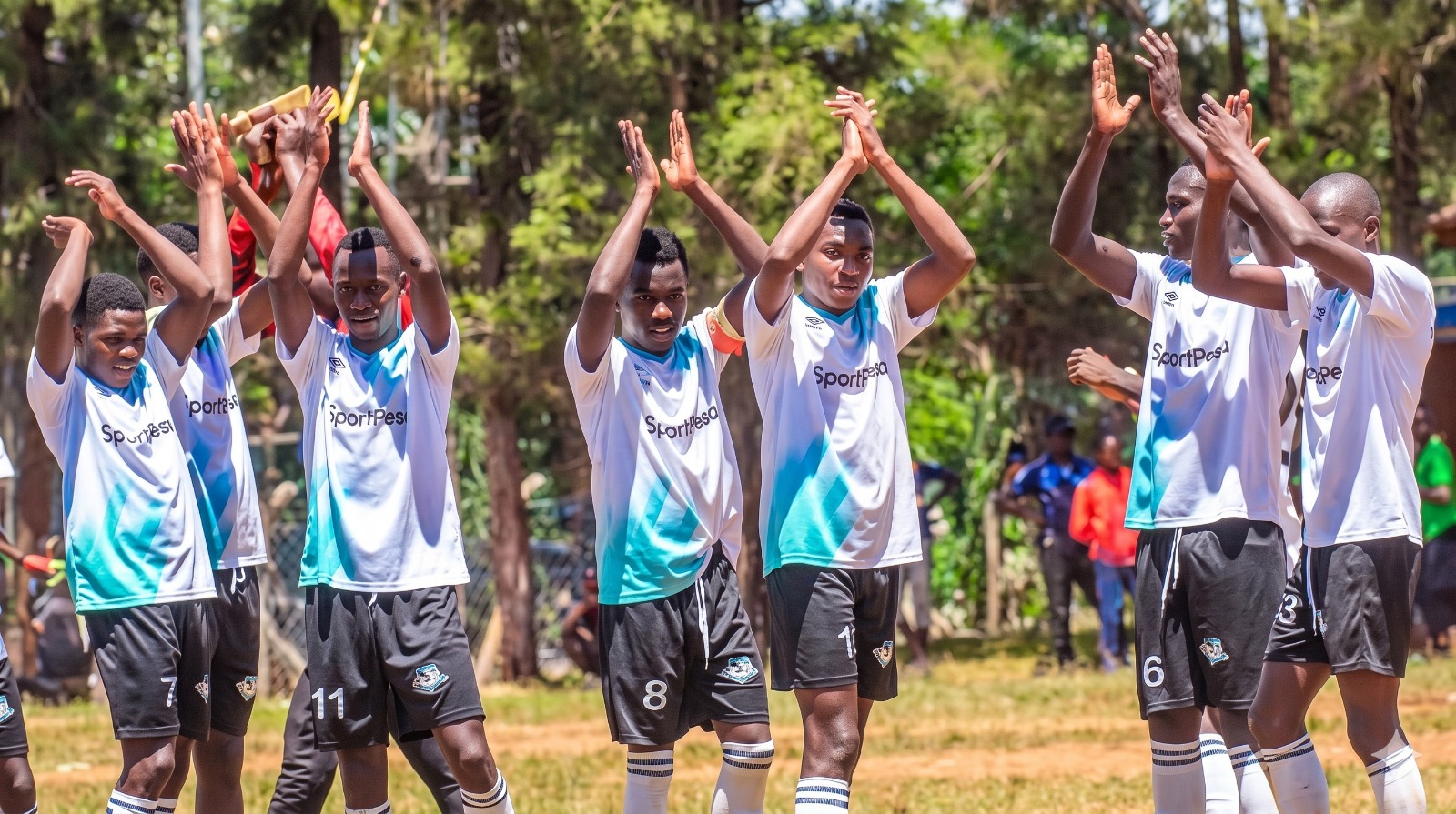
Best practices in sports sponsorship agreements ensure successful relationships that mutually benefit brands and athletes. However, shady sports sponsorship contracts are designed to trap or rip off athletes of their fair share. Such agreements conceal predatory intentions with vague terms designed to pass a quick or uninformed inspection.
Understanding common red flags in Sports sponsorship agreements can help protect your interests, reduce disputes and create successful partnerships. Tujiamini has consistently provided effective sponsorships that have helped develop the Kenyan sports ecosystem. Below is a useful guide to enlighten you on the risks of signing a sports sponsorship agreement.
Explore effective sports sponsorship opportunities and fulfil your dreams with Tujiamini.
A sports sponsorship agreement is a legally binding contract between brands and athletes, teams or other sports entities that details the expectations for each party. Sponsorship agreements enable athletes to secure financial or in-kind support. Brands gain marketing opportunities that lead to greater awareness.
ALSO READ: Sports sponsorship agreement: Application, requirements, and eligibility - Tujiamini
Red flags pose significant sports sponsorship risks. Early detection of red flags can help avoid undesirable scenarios, including:
● Disputes over what is expected from each partner, such as payment or activation.
● Cash flow issues from unclear payment terms.
● Limiting exclusivity clauses that might hinder the brand's growth opportunities and the athlete's or team’s career.
● Cancelled sponsorship without compensation.
● Lack of control over content such as photos, videos, and testimonials.
● Unexpected obligations from automatic renewals.
● Reduced revenue opportunities due to partisan clauses.
ALSO READ: Role of Sports Branding and Sponsorship– Tujiamini
Unclear expectations can lead to frustrations and misunderstandings about the quantity, quality or timeline of each party's deliverables. The expectations of a sponsorship agreement must be specified clearly and understandably to the partners.
Unilateral exit clauses allow one party to cancel the contract without the other party's permission. The party may cite even harmless acts to explain the cancellation. Termination clauses should balance risk and reward for both parties to avoid unintended financial liabilities.
Unwritten or ambiguous payment details, such as amounts, schedules, and methods, can lead to uncertainty. Excluding late payment penalties may lead to frequent failure to honour payment timelines. Ensure a detailed payment plan is in place to avoid frustration.
When one party has exclusive control over content resulting from the sports sponsorship. Photos, training videos, interviews, biographies, images, logos, likeness and marketing pieces. Negotiate to retain IP rights, or the ability to grant licences to protect your interests.
When liabilities arise, these clauses allocate a greater share of risks and financial responsibility to an unaware party. Liabilities include debts or third-party claims. Ensure limit of liability provisions specify a favourable threshold beyond which neither party is responsible for damages.
KPIs measure the effectiveness of the sponsorship. Missing KPIs cause undefined sponsorship objectives and difficulty holding parties accountable. A defined reporting and evaluation structure enables both parties to deliver.
Refers to agreements that unreasonably restrain athletes, teams or sports influencers from the brand. This can reduce the athletes' revenue opportunities. Ensure favourable exclusivity clauses are in place before signing contracts.
These clauses allow sponsors to cancel agreements due to the athlete's subjective conduct. Sponsors hold excessive power in such scenarios. Morality clauses should define the specific unwanted behaviours or actions to prevent the shortchanging of athletes.
Unclear expectations for posts, appearances, endorsements and content approvals can lead to undercompensation of athletes, teams or other sports entities. They can also overburden the talent with excess workloads. Specific promotional activities, deadlines and compensation should be defined in writing.
Vague sponsorship extension communication can leave the athlete unprepared for termination or renewal negotiations. Clearly define the timelines and conditions of contract renewals to avoid being caught unprepared.
Weak confidentiality can allow sponsors or athletes to disclose personal or proprietary information without the other party’s consent. Draft effective confidentiality protections for the brand and athletes to avoid weak contracts.
Lack of dispute resolution processes can lead to failed deliverables, unpaid invoices or costly, time-consuming litigation. Contract clauses should specify an actionable dispute resolution path, such as mediation or conciliation. This guarantees better, accountable partnerships.
Force majeure clauses exonerate a party from obligations during unavoidable circumstances. When contracts are silent on force majeure, athletes may have to turn to complex processes to be excused when they cannot perform. Verify that you are excused from liability in unforeseeable circumstances.
Unclear sponsorship ROI metrics lead to mistaken, disorganised and wasteful impact tracking. Monitoring what translates into revenue enables brands and sponsored parties to determine activities to increase, stop or fix.
These are clauses that allow one party to change the contract without the other party’s consent. This is a major red flag that can result in unbalanced contracts that disfavour the athlete.
The following are risky sports sponsorship agreement clauses to be avoided or reviewed.
● Automatic sports sponsorship renewal without review, which can lead to undercompensation or unexpected obligations.
● Broad financial liability clauses can be a significant financial risk.
● Unilateral amendment rights that can be used to shift the contract to the controlling parties' favour.
● Morality clauses that are too broad can be used to kick athletes out of contracts.
● Broad exclusivity clauses that restrict unrelated partnerships for long durations.
● Unbalanced cancellation clauses can lead to legal or financial confusion.
● One-sided sponsorship agreement termination clauses, which can be used as leverage against an athlete
The following sponsorship agreement best practices can protect you from predatory red flags.
● Thoroughly review every clause of the sports sponsorship contract.
● Negotiate to narrow broad exclusivity terms.
● Define specific and measurable deliverables.
● Document every alteration and action during the contract negotiation and signing.
● Use technology to be alerted to risky contract clauses.
● Get expert help to clarify unfamiliar sports sponsorship legal considerations.
Apply for an effective, reliable and mutually beneficial Tujiamini sponsorship on our website.
Sponsors and athletes should ask the following questions during sponsorship contract negotiation and review.
Below is a comprehensive sports sponsorship agreement checklist.
Get Tujiamini's sports sponsorship contract template on our website.
ALSO READ: Sports sponsorship tips in Kenya: what works, with real Tujiamini success stories
Sports sponsorship can influence the game, compromising its integrity. They can deepen financial inequalities through uneven distribution and put pressure on athletes with unreasonable standards.
Vague language is a big red flag in athlete sponsorship agreements. It fails to define the threshold of many clauses, leading to weak contracts.
Common sponsorship mistakes include uncreative sponsorship packages, shallow research, and selling yourself short.
Clearly defined deliverables and scope are the critical features of a sponsorship agreement. They outline what is expected of the sponsor and athlete/team.
Clear sports sponsorship agreements protect relationships and strengthen partnerships. Unclear contracts can create confusion and unnecessary risk because they are open to interpretation. Transparent and reliable sports sponsorship agreements, such as Tujiamini’s, ensure mutual benefit and maximum impact on the sports ecosystem.
Contact Tujiamini for mutually beneficial sports sponsorship agreements.