

Sports sponsorship contract clauses spell out the agreed-upon terms between a brand and an athlete. It is important to know the clauses and what they entail. This ensures stronger partnerships that benefit athletes and brands.
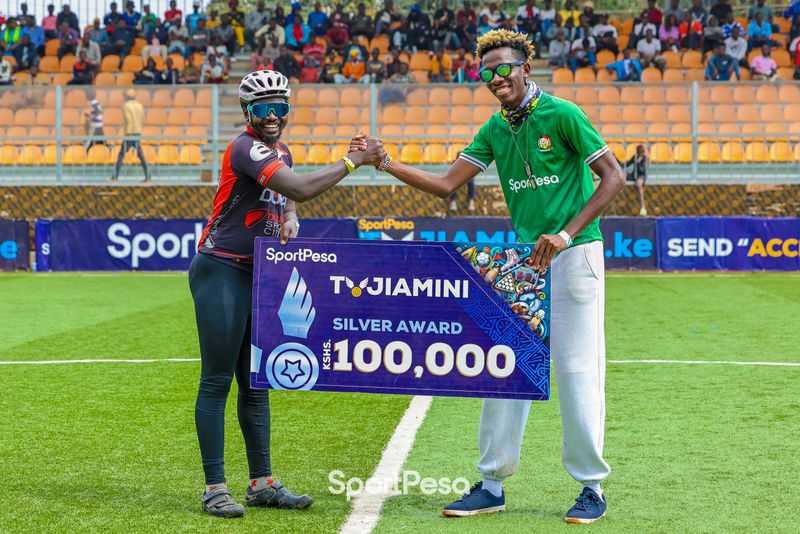
Sports sponsorship contract clauses are individual provisions that define the parties’ rights, responsibilities and remedies within a legally binding agreement. Unclear or unbalanced provisions can create significant legal and financial risks for an athlete, team or sponsor. Tujiamini is SportPesa’s sports, talent and innovation initiative. Read on for key clauses athletes should understand before entering a sponsorship agreement.
Visit the Tujiamini website to review current award information and check when the next application window opens.
A sports sponsorship contract is a legally binding agreement between brands and athletes, teams, and other sports entities. This athlete sponsorship agreement outlines the terms of the partnership, including the expectations of each party. Sponsorship contracts are a formal way to ratify the agreement.
ALSO READ: Sports sponsorship agreement: Application, requirements, and eligibility - Tujiamini
Below are the key sponsorship agreement terms:
● Scope of work clause.
This clause in an athlete endorsement contract defines the deliverables for the athlete and the brand. It specifies the sponsors' and athletes' obligations, timelines, milestones, and performance metrics. This clause needs to be written in clear, specific language to avoid misinterpretation and ambiguity.
● Payment terms.
Sponsorship payment terms outline the amount, schedule, structure and method of remuneration. Payments and bonuses may be linked to agreed performance or promotional deliverables. Late-payment penalties, guaranteed base fees and bonuses are not automatic protections; they apply only when the parties expressly negotiate and include them in the agreement.
● Performance obligations.
These details what the athlete and the sponsor are required to do. For athletes, the clause must be clear on the number of performance metrics and promotional activities, such as appearances and social media posts. For sponsors, the clause should specify the payment, bonuses, equipment, travel, and other obligations.
● Exclusivity clause.
The athlete exclusivity clause specifies which of their products the athletes should use. It also prevents the athlete from endorsing competitors' products. The terms must be stated clearly, including a definition of the competitors. Athletes should ensure this clause does not unfairly restrict them from commercial opportunities in adjacent products.
● Image and intellectual property rights.
Image rights in sports sponsorship define the ownership and licensing rights to exploit the athlete's name, likeness, and personal brand. This clause should detail specific athletes' elements, the geographical scope, and the purpose of licensing. It should also specify what happens to the rights in the event of the sponsorship’s termination.
● Contract duration and renewal.
This details the sponsorship timeline and the grounds for renewal. This provision can be included in the scope-of-work clause. Athletes should be clear on the sponsorship timelines and the conditions for renewal.
● Termination and post-termination clause.
Contract termination clauses specify which party has the right to exit the sponsorship, on what terms, and with what notice. It should differentiate between termination due to breach and termination due to choice. Athletes should ensure this clause is balanced, with fair liabilities and post-termination restrictions.
● Morality clause.
A morality clause in sports sponsorship may give a sponsor the right to suspend or end an agreement if specified conduct damages the brand’s reputation. Broad wording can expose an athlete to unfair or disproportionate action. Athletes should seek objective definitions, written notice of an alleged breach, a reasonable opportunity to respond and proportionate remedies.
● Confidentiality and data protection clauses.
This provision should protect personal and confidential information shared during the sponsorship, including the athlete’s personal data and the brand’s proprietary information. It should identify the data collected, the purpose and lawful basis for processing, who may receive it, how long it will be retained and which security responsibilities apply. Commercial use of an athlete’s personal data or image must also comply with applicable Kenyan data-protection law.
● Dispute resolution.
This clause sets out how disputes will be handled, including negotiation, mediation, arbitration or court proceedings. It should identify the governing law, forum or seat, and any applicable institution or arbitration rules. Where arbitration is selected, the arbitration agreement must be recorded in writing. A clear process can improve accountability and reduce avoidable disputes and costs.
● Force majeure protections.
This provision addresses failure or delay caused by events outside a party’s reasonable control, such as certain natural disasters, government restrictions or pandemics, subject to the wording of the agreement. Injury or illness should not automatically be treated as force majeure; athlete injury, incapacity and availability are usually better addressed in separate provisions. The contract should define qualifying events, notice requirements, suspension rights and the consequences of an extended disruption.
● Liability and indemnity.
Liability and indemnity provisions allocate responsibility for specified losses, claims, damages and third-party actions arising from the sponsorship. Athletes should check the scope of each indemnity, available exclusions, notice and defence procedures, insurance requirements and any agreed liability caps. The allocation of risk should be clear, reasonable and proportionate to each party’s obligations.
Visit the Tujiamini website to review current award information and check when the next application window opens.
● Unclear obligations, which fail to specify the quantity, quality, or timeline of each party's expectations.
● One-sided termination rights may give sponsors too much power to exit the partnership.
● Hidden exclusivity restrictions can prevent the athlete from pursuing other financial opportunities. They might also expose the athlete to costly financial liabilities.
● Vague payment terms that cause undue uncertainty and frustration.
● Unilateral contract amendment rights that the sponsor may use to infringe on the athlete's sponsorship rights.
ALSO READ: Role of Sports Branding and Sponsorship– Tujiamini
● Get legal guidance to formalise the process.
● Clarify what the sponsor expects from you and what they should deliver.
● Negotiate for fair compensation with defined timelines.
● Keep communication in writing.
● Ensure that all clauses are clear and seek clarity for unclear ones.
ALSO READ: Sports sponsorship tips in Kenya: what works, with real Tujiamini success
Legal notice: This article provides general information and does not constitute legal advice. Athletes should obtain advice from a qualified lawyer before signing a sponsorship agreement.
A qualified lawyer can explain legal risks, identify unclear or one-sided provisions and help the athlete negotiate terms that reflect the intended partnership.
Common categories include financial, in-kind, media and event sponsorship, but classifications vary by organisation and agreement.
Yes. Athletes can propose changes to payment, deliverables, image rights, exclusivity, duration, termination and other terms. They should obtain independent legal advice before signing.
Morality clauses are intended to protect parties from specified conduct that may cause reputational harm. They should use clear definitions and include fair procedures, such as notice and an opportunity to respond.
Clear sports sponsorship contract clauses help brands and athletes understand their obligations, rights and remedies. Each provision should be specific, balanced and appropriate to the partnership. Athletes should read the complete agreement carefully and obtain independent legal advice before signing.
Visit the Tujiamini website for current information about its sports, talent and innovation awards and future application windows.