

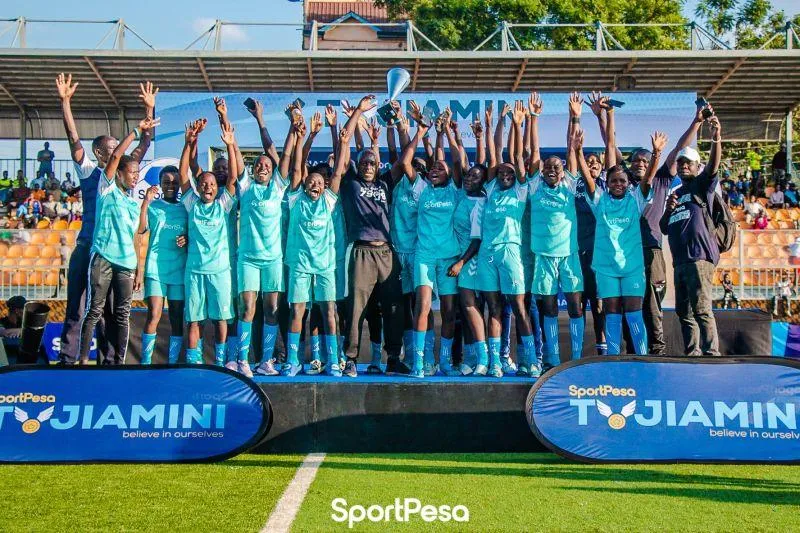
School sports sponsorship involves partnerships that provide financial, material, or other forms of support to a school, sports team, or tournament. This can include tournament funding, playing kits, transport, sports equipment, facilities, trophies, awards, training, and coaching support. For schools and teams with limited resources, finding the right sponsor can make it easier to participate in competitions and create opportunities for young athletes.
School sports sponsorship in Kenya can play an important role in supporting young talent by providing resources that schools and teams may not be able to fund on their own. Corporate sponsorship can help teams access playing kits, equipment, transport, training opportunities, and tournament support. For businesses, supporting school sports can also create opportunities to engage with young people, families, schools, and local communities.
Read also: Types of school sports sponsorship, benefits, and how they work
School sports sponsorship is a partnership between a sponsor and a school, sports team, tournament, or related sporting programme. The sponsor may provide money, products, equipment, services, or other resources to help support sporting activities. The main objective is to address specific sporting needs while creating value for both parties. For example, a sponsor may support a school tournament with equipment or transport, while the school provides agreed visibility or other partnership benefits.

Many schools have limited budgets, and funds available for athletics and other sporting activities can be even more restricted. School sports sponsorship can help bridge some of these gaps by providing additional resources for teams and competitions.
Some of the areas where schools and teams may require support include:
● Sports equipment
● Uniforms and playing kits
● Transport and accommodation
● Coaching
● Sports facilities
● Tournament organisation
● Awards and trophies
● Training opportunities
● Meals and refreshments during competitions
A school sports sponsor may therefore help a team acquire equipment, improve its playing facilities, provide transport for players, or meet some of the costs associated with competitions. The actual support will depend on the agreement between the sponsor and the school, team, or tournament.
Review some sponsorship activation ideas for school tournaments that deliver community impact in Kenya.
The needs of the school, team, or tournament will determine what a sponsor can provide. A potential sponsor may offer one or more of the following:
A sponsor may provide monetary support to cover specific costs such as tournament organisation, transport, equipment, registration, or other agreed sporting expenses.
Sports sponsors may provide equipment and playing kits such as balls, cones, uniforms, training gear, goalposts, or other items required for participation.
Depending on the partnership, a sponsor may support improvements to sporting facilities. This could include playing grounds, changing facilities, scoreboards, or other infrastructure required for sporting activities.
A partnership may also include training opportunities, coaching sessions, mentorship, or development programmes for players and coaches.
A sponsor may support a school tournament by providing match equipment, venue support, food and water, transport, awards, or other resources needed to run the competition.
Also Read: Football Tournament Sponsorship: Packages, Opportunities & How It Works | Tujiamini
Getting a sports sponsor starts with understanding what you need and identifying organisations whose interests align with the opportunity. The following steps can help a school, team, or tournament approach potential sponsors.
Start by identifying the specific needs of the team, school, or tournament. Prepare a list of the required items and their estimated costs. Instead of making a general request for “sports funding”, explain exactly what the support will cover. For example, you could request funding for playing kits, transport to a tournament, equipment, or coaching.
A school sponsorship proposal gives a potential sponsor information about the school or team, the sporting activity, the support required, and the value of the partnership.
A good proposal can include:
● Executive summary
● Details of the school, team, or event
● Sporting programme or tournament details
● Target participants and audience
● Sponsorship requirements
● Sponsor benefits
● Specific request
● Budget
● Timeline
● Contact information
The proposal should be clear enough for a potential sponsor to understand what you need and how their support could make an impact.
Look for businesses and organisations whose interests may align with school sports or community development. Potential sponsors can come from different sectors, including:
● Banks
● Telecommunications companies
● Food and beverage companies
● Sports and apparel businesses
● Insurance companies
● Local businesses
● Community organisations
Research each potential sponsor before making contact. A business that already supports youth, sports, education, or community initiatives may be more familiar with this type of partnership.
A sponsorship is a partnership, so the proposal should explain what the sponsor can gain from supporting the school or event. This may include brand visibility, community engagement, event exposure, audience access, or opportunities to demonstrate support for youth and grassroots sports. The benefits should be realistic and directly connected to what the school or tournament can offer.
Instead of asking for a general contribution towards school sports, identify the specific sponsorship opportunity. For example, you could request support as a tournament sponsor, kit sponsor, equipment sponsor, transport partner, or training partner. A specific request makes it easier for a potential sponsor to understand the level and type of support required.
After sending a sponsorship proposal, give the organisation reasonable time to review it. If you have not received a response, send a polite follow-up email or make a call. Avoid repeatedly sending the same request without giving the potential sponsor time to respond.
Apply for Tujiamini awards and apply to get the support you need to elevate your career.
A good sponsorship proposal should give the potential sponsor enough information to understand the opportunity and make a decision.
It can include:
● School or team introduction
● Sports programme or event details
● Sponsorship objective
● Target participants and audience
● Funding or equipment requirements
● Sponsorship packages
● Benefits to the sponsor
● Budget
● Timeline
● Contact information
The proposal should be specific, realistic, and easy to understand. If you are requesting support for a particular tournament or item, explain the expected cost and how the sponsorship will be used.
School sports sponsorship can benefit both the recipient and the sponsor when the partnership is properly structured.
Potential benefits include:
● Better access to sports equipment
● More opportunities to compete
● Talent development
● Improved training
● Greater exposure
● More sustainable sports programmes
● Access to coaching and mentorship
Businesses may benefit through:
● Brand visibility
● Community engagement
● Youth development support
● Association with grassroots sports
● Opportunities for audience engagement
● Corporate social responsibility initiatives
The sponsorship benefits will depend on the type of sponsorship and the terms agreed between the parties.
Our focus is on supporting grassroots, talented but local sports, communities, and emerging talent in Kenya through structured sponsorship opportunities.
Explore our sponsorship opportunities to understand the available categories and eligibility requirements.
School sports sponsorship is an arrangement where a business or organisation provides financial, in-kind, or other support to a school, sports team, or tournament. The support may cover areas such as equipment, kits, transport, facilities, coaching, or competition costs.
A school can start by identifying its specific sporting needs, preparing a sponsorship proposal, researching potential sponsors, contacting relevant organisations, and following up on its requests.
Depending on the agreement, a sponsor may provide financial support, sports equipment, playing kits, transport, facilities, coaching, tournament support, or other resources.
A school sports sponsorship proposal should explain who you are, what sporting activity you are organising, what support you need, the estimated costs, what the sponsor can gain from the partnership, and how to contact you.
Yes. Sports equipment can form part of a sponsorship request. A school should clearly identify the equipment required, explain why it is needed, and provide an estimated budget.
Different types of businesses can support school sports, including banks, telecommunications companies, food and beverage businesses, apparel and sports companies, insurance providers, local businesses, and community organisations. Sponsorship decisions depend on each organisation's objectives and available programmes.
Depending on the agreement, sponsors may receive brand visibility, community engagement opportunities, event exposure, audience access, or opportunities to demonstrate their support for youth and grassroots sports.
Yes. A school tournament can seek sponsorship from businesses and organisations that are interested in supporting the event. The organisers should prepare a clear proposal outlining the tournament, audience, sponsorship requirements, and benefits available to the sponsor.
School sports funding can help overcome financial and resource limitations while allowing brands to engage with communities. A sports sponsorship in Kenya can help the school secure additional funding beyond a single tournament. Visit us today and explore relevant sponsorship opportunities or learn more about community and sports initiatives
READ ALSO: Equipment Sponsorship for Clubs, Schools & Academies | Tujiamini