

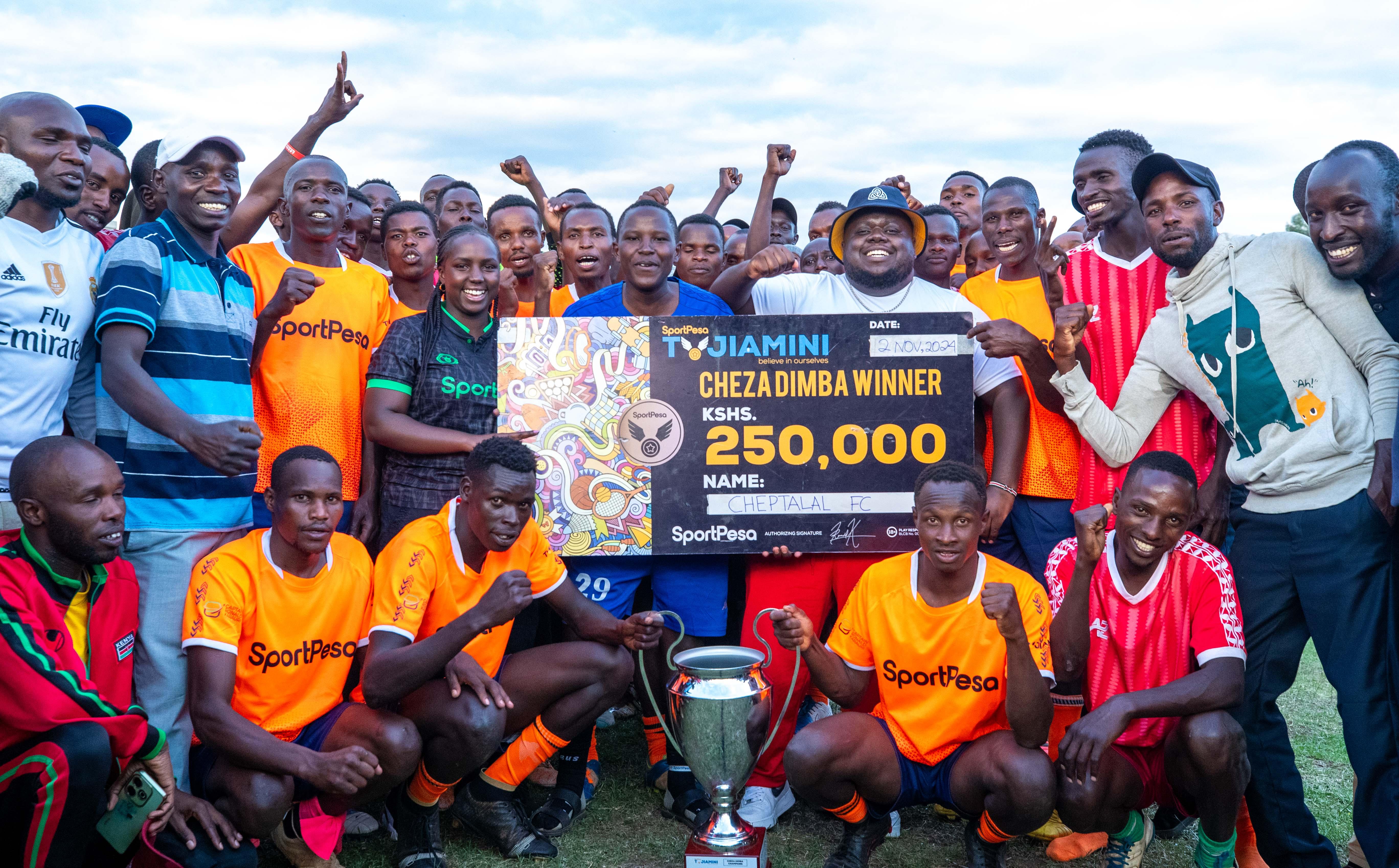
A sponsorship report explains how support was used, what was delivered and what was achieved during an event, campaign, season or sponsorship period. For a sports team, athlete, club or community organisation, it gives the sponsor a clear record of activities and evidence of the results.
At Tujiamini, we believe meaningful sports sponsorship goes beyond receiving support. Accountability matters too. When your sponsorship agreement includes deliverables, a clear report helps you show what you fulfilled, where support made a difference and what you learned. If you are preparing to apply for support, our guide to securing sports sponsorship in Kenya also explains the earlier stages of the process.
A sponsorship report is a document prepared after an event or reporting period to show agreed activities, actual delivery, supporting evidence, audience engagement and results. A sponsorship fulfilment report focuses on whether promised benefits were delivered; an impact report goes further by explaining the outcomes and, where they can be measured, the value created.
A well-prepared report helps a sponsor understand how its support was used. It also helps a team or athlete demonstrate accountability, identify any missed deliverables and discuss the next phase of the partnership. We encourage people seeking sports support to think about the evidence they will need from the start, rather than trying to recreate it after an event.
SectionWhat to includeExecutive summarySponsor, period, objectives and the most important verified outcomes.Agreed deliverablesThe rights, activities or benefits promised in the agreement.Delivery statusDelivered, partially delivered, not delivered, or additional activity completed.EvidencePhotos, dates, public post URLs, screenshots, event records and invoices where appropriate.Audience and engagementRelevant attendance, reach, views, interactions, registrations or participation.Budget and use of supportA simple expenditure summary where financial reporting is required.Outcomes and next stepsWhat the partnership achieved, limitations, lessons and agreed follow-up.
Review the objectives, deadlines, reporting requirements and the rights or activities you promised. Use them as your checklist.
Collect dated photos, event records, social posts, media links, attendance records and other relevant evidence.
Choose metrics that match the sponsor’s goals. For example, training sessions delivered may matter more than social impressions in a grassroots development project.
Clearly show what was completed, partly completed or missed. Explain changes instead of hiding them.
Connect the activity to a meaningful result, but distinguish direct evidence from assumptions. Reach is not the same as sales or community impact.
Explain what did not work and how delivery could improve during the next period.
Include any outstanding evidence, agreed actions and the next reporting date under the sponsorship arrangement.
The example below is fictional and shows how a community football team could report on a one-month sponsorship. These numbers are for illustration only; they do not describe a Tujiamini-funded project.
Reporting itemIllustrative report entrySponsor / recipientExample Sports Partner / Umoja Community FCReporting period1–30 September (example)ObjectiveSupport team training and local community participation.Support receivedTraining kit and event support under the sample agreement.Promised activities4 training sessions, 2 branded social posts, 1 community event.Delivered4 sessions, 2 posts and 1 community event.EvidenceTraining attendance register, dated photos, links to both posts and event attendance sheet.Participation68 attendees at the community event (sample figure).Challenge / next stepOne attendance record was submitted late; implement same-day evidence collection.
This example works because it reports against specific commitments and points to records that a sponsor can inspect. It does not claim that impressions automatically produced sales or that attendance proves long-term community impact.
For every significant commitment, give the sponsor a clear record of what happened, when it happened and where the supporting evidence can be found.
DeliverableUseful supporting evidenceKit or jersey brandingClear dated photograph showing the agreed branding.Social media postsPost URL, date and screenshot; platform metrics if needed.Website visibilityScreenshot, live URL and dates when the placement appeared.Matchday or event activationPhotos, event schedule and activation records.Player appearanceProgramme, attendance record or dated photographs.Media coveragePublication or broadcast link with publication date.Community training or outreachAttendance registers, activity records and photographs where consent permits.
Match your measures to the original sponsorship objective. Useful categories include visibility (reach and exposure), engagement (comments, shares, clicks or participation), event audiences (attendance and registrations), commercial outcomes (verified enquiries or conversions), and community outcomes (sessions, equipment distributed or people supported).
If you need to go further into attribution and outcomes, our guide to measuring sports sponsorship ROI explains how to interpret performance beyond raw activity counts. Where a number is an estimate or comes from a third party, label it accordingly.
Follow the reporting timeline stated in your agreement. A one-off event may require a final report soon after it ends, while a season-long partnership may call for monthly or quarterly updates. Collecting evidence throughout the period makes those deadlines easier to meet.
If you are an athlete, team or community organisation considering our support, understanding how to document your activities can help you prepare for a responsible partnership. Keep clear records of your goals, activities and achievements, and check our published application guidance before submitting.
You can review our regional application calendar to understand current opportunities and application periods. Eligibility, categories and reporting requirements depend on the specific programme and agreement.
Usually the sponsor and reporting period, objectives, promised deliverables, proof of completion, performance measures, outcomes and next steps.
It confirms whether the benefits and activities promised in the sponsorship agreement were delivered, with evidence for each important item.
Use measures appropriate to the objective. Only report monetary ROI when attributable value and costs can be estimated reliably; otherwise report other relevant outcomes clearly.
Yes. Adapt the headings and evidence checklist to your own signed agreement, but replace every illustrative figure with verified information.
Follow the agreed deadline. If none is specified, discuss the expected reporting date with the sponsor rather than assuming one universal timeline.
A sponsorship report turns promised activities into a documented record of delivery and results. At Tujiamini, we encourage sports teams, athletes and community groups to approach sponsorship with the same care they bring to their talent: set clear objectives, keep evidence and explain what the support helped achieve.
Explore our sponsorship application guide to understand the preparation involved before seeking support.