

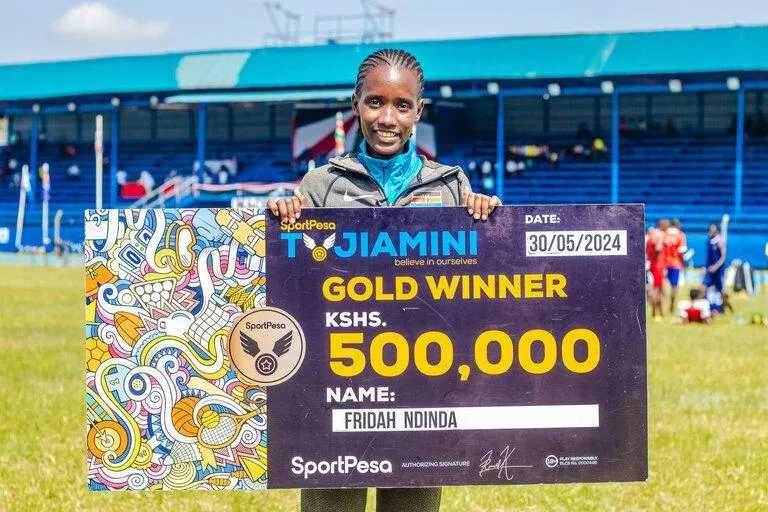
A sponsorship disclosure is a statement that tells viewers that a creator, athlete, media professional, team or organisation has a commercial or other material relationship with a brand connected to the content. That relationship may involve money, free products, services, travel, employment, affiliate commissions or other benefits.
At Tujiamini, we believe clear disclosure helps audiences understand when content is connected to a sponsorship while giving sports professionals a more transparent way to work with brands.
Sponsorship disclosure in Kenya is particularly relevant as athletes, sports journalists, teams and creators increasingly work with brands on social media. The exact obligation depends on the person's role, the nature of the relationship, the platform used, the contract and the applicable rules. For Kenyan journalists, media practitioners and media enterprises, the Media Council of Kenya's 2025 Code specifically addresses sponsored editorial content and disclosure.
For broader sponsorship preparation, see the Tujiamini sponsorship guide.
READ ALSO: Sponsorship Marketing: Benefits, Types, Strategies & How It Works | Tujiamini
Sponsorship disclosure means making a material brand relationship clear to the audience. This can include paid partnerships, free products or services, sponsored appearances, affiliate commissions, employment, ownership, ambassador relationships or other benefits that could affect how audiences understand the content.
For persons covered by the Media Council of Kenya's Code of Conduct for Media Practice, sponsored editorial content must be clearly disclosed, the sponsor identified and the sponsored material distinguished from independent journalism. The Code also requires disclosure of material conditions such as financial compensation or free products when they influence or affect endorsements.
· It helps audiences understand when content is connected to a commercial relationship.
· It supports trust by separating independent recommendations or editorial content from sponsored material.
· It helps media practitioners meet the disclosure and labelling requirements in the Media Council of Kenya's Code where that Code applies.
· It helps creators meet platform and contractual requirements connected to branded content.
· It gives brands and sponsored partners a clearer record of how the relationship is being communicated to the public.
Relationship
When disclosure is generally appropriate
Paid partnership
A creator, athlete, media practitioner or team is paid to mention, review, demonstrate or promote a brand.
Sponsored event or appearance
Money, travel, hospitality, tickets, accommodation or other benefits are provided in connection with an appearance or event.
Free or discounted products/services
A product or service is provided free or at a discount and the relationship influences or is connected to the endorsement or content.
Brand ambassador relationship
There is an ongoing commercial relationship with expected brand deliverables.
Affiliate relationship
The creator may earn a commission or other benefit through a link, code or referral.
Employment, ownership or close personal relationship
A connection could reasonably affect how the audience interprets the recommendation or content.
Sponsored editorial/media content
Editorial-style content is funded or influenced by a sponsor and must be distinguished from independent journalism where the Media Council Code applies.
Make the commercial relationship obvious to the viewer. Paid content may include posts, mentions, product demonstrations, live streams, short videos, reviews or other brand promotion. Use clear wording close to the sponsored message rather than burying the disclosure in a long caption, hashtag block or link section.
If a brand provides free products, services, travel, equipment or other benefits in connection with content or an endorsement, disclose the relationship clearly where it is material. For media practitioners covered by the Media Council Code, the Code specifically refers to financial compensation and free products that influence or affect endorsements.
Long-term ambassador relationships should be made clear when the relationship is relevant to the content. A genuine unpaid recommendation with no material relationship is different, but payment, free products, employment, ownership or another material connection should not be hidden.
If an athlete, sports influencer, journalist or media personality receives money, travel, hospitality, equipment or other benefits in connection with an event appearance, disclose that relationship in the relevant sponsored content. Do not assume that followers already know about the sponsorship.
Where employment, ownership, family or another close relationship could affect how audiences interpret a recommendation, make that connection clear rather than presenting the recommendation as fully independent.
Use ordinary language that makes the commercial relationship obvious. Examples can include 'Sponsored by Tujiamini', 'Paid partnership with Tujiamini', 'Ad' or another equally clear statement appropriate to the platform and relationship. Avoid vague shorthand that may not tell the audience what the relationship is.
· Long-form video: place the disclosure close to the sponsored segment and make it visible or audible when the sponsored message appears.
· Short-form video: show the disclosure clearly within the content and give viewers enough time to notice it.
· Livestreams: repeat the disclosure when necessary because viewers may join after the stream has started.
· Captions and posts: place the disclosure early enough that users do not need to click 'more' to discover the relationship.
· Affiliate links or codes: explain that you may receive a commission or other benefit where that is the relationship.
Platform tools should be used when the platform requires them. For example, YouTube requires creators to select the paid-promotion setting when a video includes branded content, sponsorships, endorsements or other commercial relationships. The platform then adds its own disclosure label. Creators should still make sure the overall disclosure meets their contract and any applicable legal or professional requirements.
A sponsorship agreement can state what must be disclosed, the wording to use, the platforms covered, when platform labels must be enabled and who approves sponsored content.
A single platform label may not answer every requirement. Check the creator's professional obligations, the sponsorship contract, the platform's branded-content rules and any applicable law or regulator guidance.
Athletes should clearly acknowledge commercial brand relationships in sponsored posts, appearances, product endorsements, equipment promotions and ambassador content where the relationship is material to the message.
Teams should clearly identify sponsor relationships in sponsored campaigns, event materials and branded content. A logo on a jersey can show a sponsorship relationship, but it should not automatically be treated as a complete disclosure for every sponsored social-media or editorial post.
Event organisers should identify sponsors in relevant event communications and make the commercial relationship clear where the sponsor is funding, supplying or otherwise supporting the event.
For journalists and media practitioners covered by the Media Council of Kenya Code, sponsored editorial content should be disclosed, the sponsor identified and the sponsored material distinguished from independent journalism.
Brands should make disclosure expectations clear in sponsorship agreements and campaign briefs, particularly where athletes, creators, teams or media partners are expected to publish sponsored content.
ALSO READ: Event Sponsorship Agreement: Template, Key Clauses, Benefits & Legal Guide
Sponsorship
Advertising
Supports a person, team, event or organisation in exchange for visibility, association or agreed benefits.
Pays for promotional space, placement or content to promote a product, service or brand.
Often focuses on partnership and brand association.
Often focuses on direct promotion and audience reach.
Example: a brand sponsors an athlete or sports event.
Example: a brand purchases an advert around sports content.
Disclosure should make the sponsorship relationship clear when it affects the content.
Advertising should be clearly distinguishable from editorial or independent content.
· Hiding the disclosure at the end of a long caption or behind 'more'.
· Using vague wording that does not clearly explain the commercial relationship.
· Assuming free products never need disclosure when they are material to an endorsement.
· Failing to disclose an ongoing ambassador or commercial relationship when it is relevant to the content.
· Presenting sponsored material as independent editorial content.
· Relying only on a platform label without checking contractual, professional or legal requirements.
· Making unverified promotional claims on behalf of a sponsor.
ALSO READ: Common Sponsorship Proposal Mistakes to Avoid in Kenya
Creators should make material commercial relationships clear to audiences and follow applicable platform, contract and legal requirements. The Media Council's 2025 Code specifically governs journalists, media practitioners and media enterprises, so it should not be presented as automatically covering every influencer.
Athletes should disclose material brand relationships when publishing sponsored endorsements, ambassador content, sponsored appearances or other commercially connected content.
It can. A free product, service or other benefit can create a material relationship where it influences or is connected to the endorsement or content.
Depending on the situation, non-disclosure can create audience-trust problems, contractual disputes, platform enforcement, complaints or regulatory consequences where applicable.
Not necessarily. Use required platform tools, but also check the sponsorship contract, professional rules and any applicable legal requirements.
Sponsorship disclosure helps athletes, creators, teams and media professionals explain commercial relationships clearly to their audiences. In Kenya, the Media Council of Kenya's 2025 Code sets specific disclosure requirements for journalists, media practitioners and media enterprises, while other creators should also consider platform rules, contracts and any other applicable requirements. For more practical guidance, explore Tujiamini sports sponsorship insights.
This article is general practical guidance and is not legal advice. Disclosure obligations can depend on the creator's role, the sponsorship agreement, the platform and the applicable law.
Apply for a Tujiamini sponsorship if you meet the current eligibility requirements.
ALSO READ: Role of Sports Branding and Sponsorship - Tujiamini